August 24 2026
Commonly Asked Questions | Speech pathology
Speech pathology supports much more than speech, helping people with communication and swallowing at all stages of life.
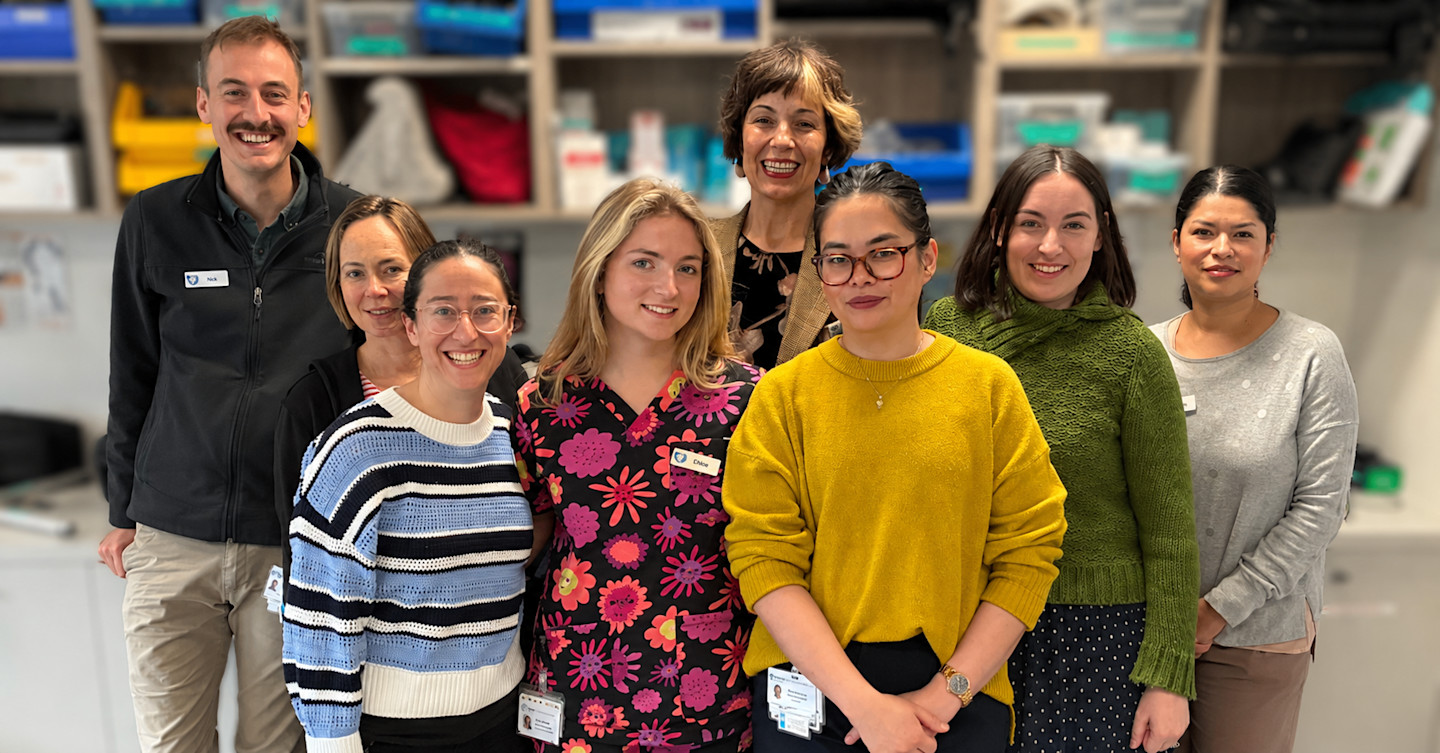
For Speech Pathology Week, the speech pathology team at Calvary Health Care Bethlehem answers some of the most common questions about their work and the important role speech pathologists play in supporting communication and swallowing.
They share what speech pathology can involve, why communication is so closely connected to identity and independence, and how the right support can create new possibilities for people at every stage of life.
Q. People often think speech pathology is only about helping people speak. What does speech pathology actually involve?
Although speech is often affected for our patients, we take a whole-communication approach, with the goal of enabling people to communicate meaningfully with their loved ones and carers.
Speech pathology involves so much more than speech. At Calvary Health Care Bethlehem, we take a holistic approach to communication and swallowing, working closely with the broader multidisciplinary team to support each person’s individual needs, goals and quality of life.
When it comes to communication, we look beyond verbal speech to consider how a person understands and uses language, as well as reading, writing, typing, body language and gesture. We can provide strategies for patients and their families and trial a range of low- and high-tech communication options to help people continue communicating meaningfully with their loved ones and participating in social and community activities.
We also work closely with neuropsychologists to understand how changes in thinking and information processing may affect communication, and with occupational therapists to identify communication devices that are accessible and appropriate for each person.
Another significant part of our role is assessing and managing swallowing difficulties, including changes involving food, drink and saliva. We consider both safety and comfort when eating and drinking and can recommend strategies such as modifying food and drink textures, changing positioning or introducing specialised equipment.
Swallowing changes can also affect saliva and secretions, so we work alongside doctors, nurses, clinical liaisons and physiotherapists to help manage these symptoms. We also collaborate with dietitians to support nutrition and hydration while considering what matters most to the person and their quality of life.
Ultimately, our role is about looking at the whole person and working together to help them communicate, connect and participate in the things that are important to them.
Q. Why is communication so important to a person’s identity and connection with others?
We connect with the people around us through communication, whichever form that might take.
I often say that when we meet our partner, we might initially be captivated by their looks, but we fall in love with their words. When someone is faced with the prospect of losing the part of themselves that identifies them, connects them with others and makes them unique, it can be terrifying.
Working in neuropalliative care is a huge privilege. Our patients allow us the honour of walking alongside them for a small part of their story. Part of our role is to hold that uncertainty and fear with them, and then do everything in our power to make sure they are heard right through until the end.
Q. What can supporting someone to communicate look like in practice?
It doesn’t look the same for every person.
The complexity of the role is looking at the bigger picture; understanding each person’s unique story, communication style and goals of care, and bringing those things together to find a solution that fits their life.
That might mean helping someone communicate a favourite phrase with exactly the right intonation through their communication system, enabling them to read Where Is the Green Sheep? to their grandchild in their own voice, creating a legacy story to share with friends and family, or removing barriers so they can continue using social media.
Communication is so much more than speech.
Q. This year’s Speech Pathology Week theme is ‘Communication creates possibility’. What does that mean in practice?
When people are enabled with a means of communicating, at the most basic level it means they have a way to advocate for their own health and needs.
From that starting point, there are infinite things they can achieve through communication.
Q: Can you share a moment with a patient that showed you the difference speech pathology can make in someone's life?
I have worked with many patients with MND during my time at Calvary, but one person in particular comes to mind.
As their disease progressed, this patient was no longer able to speak and had very little hand function remaining. This meant they could no longer communicate verbally with their loved ones, write things down or use their phone as an alternative.
I applied for funding for an eye-gaze device – a tablet with a camera that tracks a person's eye movements, allowing them to control the device without using their hands. We added text-to-speech software and customised it to suit the patient's individual communication needs.
They took to the technology very quickly, and there were some happy tears in the clinic when they were finally able to express themselves freely again.
A couple of days after taking the device home, I received a lovely text from the patient thanking me and saying how happy they were to be able to communicate with their friends and family again. The text itself had been sent using their eye-gaze device.
They have continued to use the device to communicate during appointments and, importantly, to stay connected with the people they love.
Q. What is one thing you wish more people knew about speech pathology?
A lot of our work focuses on diagnosing and managing swallowing difficulties, in addition to communication. And here at the Statewide Progressive Neurological Diseases Service at Calvary Health Care Bethlehem, that also involves working very closely with the multidisciplinary team to help people with their saliva management.
The scope of speech pathology practice is incredibly broad. Speech pathologists have diverse skills and work across a wide range of contexts and settings.
We support people across the lifespan, from newborn infants through to people receiving end-of-life care.