February 28 2026
Commonly Asked Questions | Huntington’s Disease Research
Living with a rare disease like Huntington's can bring uncertainty, questions, and challenges, not only for impacted individuals, but for their families and supporters too.
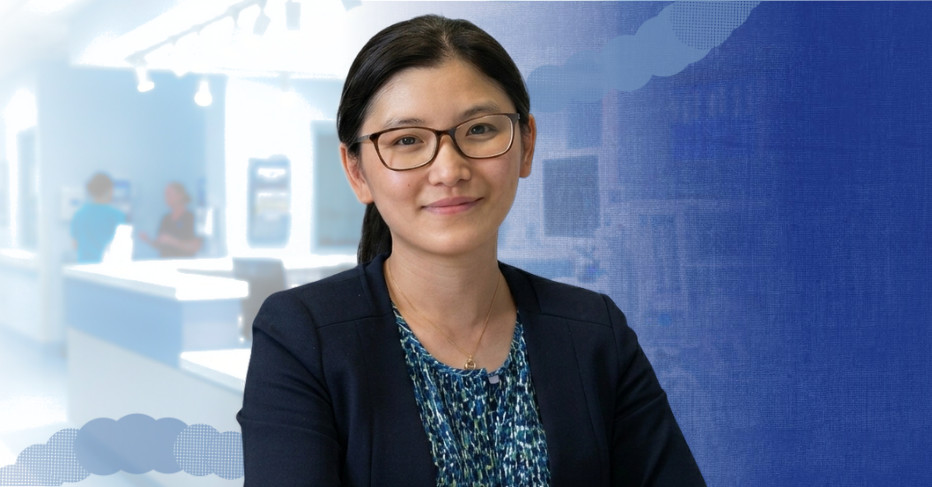
On Rare Disease Day, Calvary Health Care Bethlehem’s Dr Yenni Lie, Neurologist and Lead Researcher, and Emma Windebank, Research Manager, share insights into Huntington’s disease and the research making a difference.
Q. Why is research so important for people living with rare neurological conditions like Huntington’s disease?
Research is essential because it helps us better understand the causes, progression, and lived experience of Huntington’s disease. For rare conditions, every piece of data matters. Each study helps build evidence that can guide treatment, improve care, and support families. Research also gives people living with Huntington’s disease a sense of empowerment; the knowledge that their participation contributes directly to improving outcomes for future generations. Research ensures that people with Huntington’s disease and their families benefit from the combined knowledge and commitment of an entire multidisciplinary team.
Q. What do you wish more people understood about living with a rare disease like Huntington’s disease?
As a team, we wish more people understood how deeply Huntington’s disease affects every aspect of a person’s life, not just movement, but thinking, emotions, independence, and relationships. It is a condition that impacts whole families, often across generations. We see every day the strength, adaptability, and courage of individuals living with Huntington’s disease and those who support them. With the right teams alongside them – medical, specialist Huntington’s disease clinicians, allied health, psychosocial, and research – people can continue to find meaning, connection, and dignity in their daily lives.
Q. What kind of research is currently underway at Calvary Health Care Bethlehem for Huntington’s disease, and why is it important?
We are engaged in a range of clinical trials that aim to improve quality of life and deepen our understanding of Huntington’s disease. These projects span from early‑phase exploratory trials to later‑phase pre‑market studies, and focus on areas such as symptom progression, cognitive changes, supportive care needs, and the lived experience of patients and carers. Our team also uses innovative approaches, including computer‑based tools, to better understand and enhance how healthcare is delivered, ensuring patients receive the right care at the right time. In addition, we collaborate on national and international registries that track long‑term outcomes and contribute to global knowledge.
This research is vital because it helps us tailor care to each person’s needs, strengthen the effectiveness of healthcare teams, advocate for improved services, and generate high‑quality data that supports the development of future therapies. Together, these efforts ensure our work makes a meaningful difference for individuals and families living with Huntington’s disease today and into the future.
Q. How does your research make a difference for patients and families both today and in the future?
Our research has an immediate impact by helping us refine how we deliver care, from symptom management to psychological support to advance care planning. It ensures families feel heard and seen, and that their real‑world challenges shape the services we provide. Looking ahead, our work contributes to the global effort to develop effective treatments and ultimately disease‑modifying therapies. Every study builds the foundation for a more hopeful future.
Q. From a research perspective, what does patient-centered care look like for people involved in Huntington’s disease studies?
For us, patient‑centred research means working as a team to ensure every aspect of the research process respects the needs, preferences, and comfort of participants and their families. It means offering flexible appointment options, minimising burdens, communicating clearly, and providing emotional and practical support through all stages of participation. Most importantly, it means recognising that people living with Huntington’s disease and their loved ones are experts in their own experience. We work together with them as partners, ensuring their voices help shape the direction and design of our studies.
Q. What gives you hope when it comes to the future of Huntington’s disease research?
There is more global collaboration, investment, and scientific momentum in Huntington’s disease research today than ever before. New tools, from advanced imaging to genetic therapies, are transforming what’s possible. But what gives us the most hope is the Huntington’s disease community itself; families who participate in research, advocate for change, and support each other with extraordinary strength. Their commitment drives everything we do.
Q. What message would you like to share with people and families affected by Huntington’s disease this Rare Disease Day?
You are not alone. Your experiences matter, and your voice helps shape better care, better understanding, and better futures. Rare Disease Day is a reminder of the compassion, courage, and community that define the Huntington’s disease family. We are honoured to walk alongside you in care, in research, and in hope for what lies ahead.