September 24 2025
Commonly Asked Questions | Prostate cancer
Nearly 72 Australian men are diagnosed every day with prostate cancer, making it the nation’s most commonly diagnosed cancer, according to Prostate Cancer Foundation of Australia (PCFA). However, 95.8% of men diagnosed with prostate cancer will survive for at least five years and 91% will live more than 10 years thanks to significant advances in research and treatment.

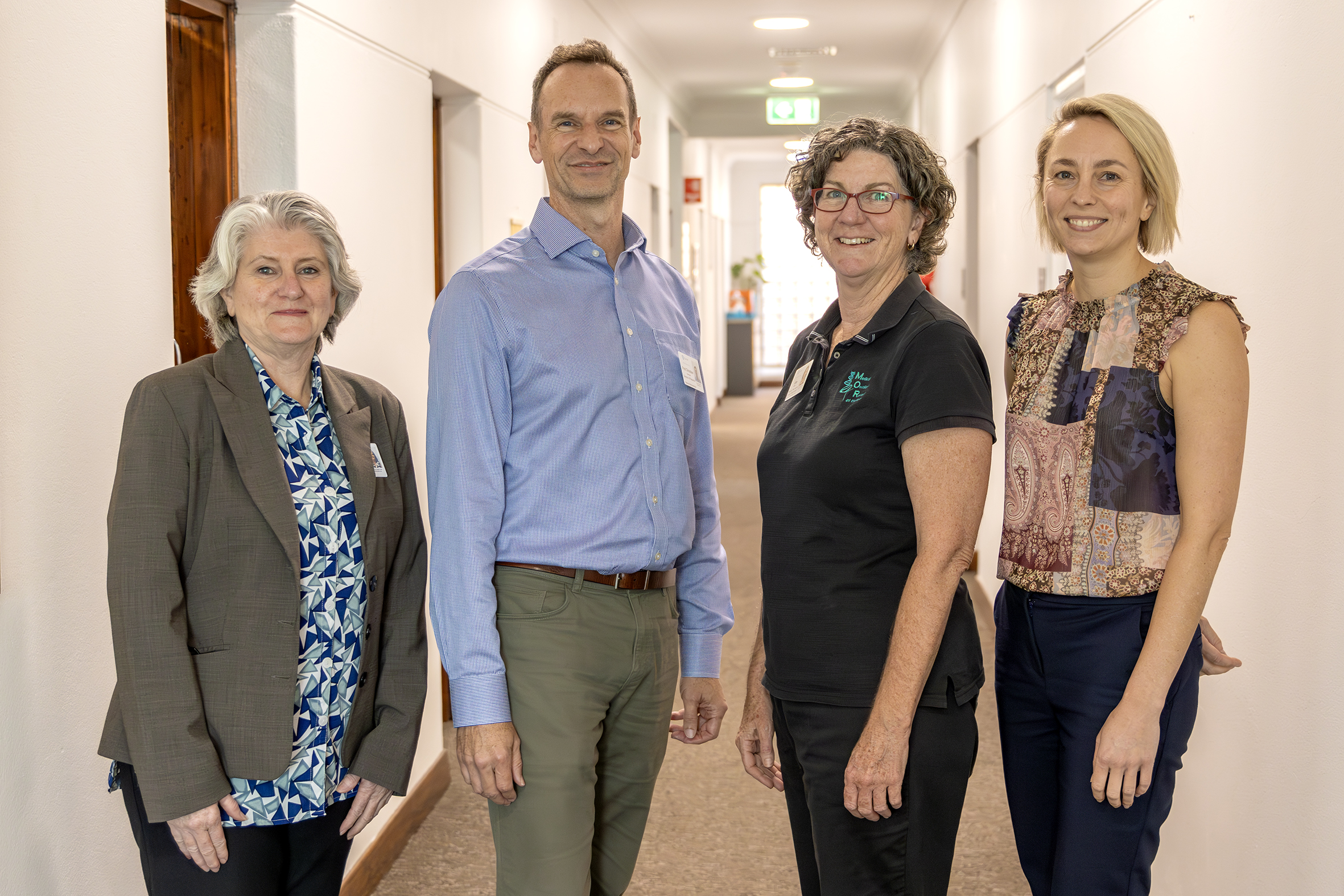
Receiving a diagnosis of prostate cancer, or knowing someone who has been diagnosed, can be a challenging and confusing time. Prostate Cancer Specialist Nurses at Calvary Mater Newcastle, Nancy Consoli and Janine Cooper, have answered some common questions about the disease, treatment and recovery.
Q. Early diagnosis is key when it comes to treating prostate cancer. What are some of the signs men should watch for?
When prostate cancer first develops there may be no symptoms at all. In later stages, symptoms might include frequent urination, difficulty or pain when peeing, blood in the urine or semen, unexplained weight loss, and body aches.
It’s important to remember these symptoms could be caused by a range of factors, and do not always mean you have prostate cancer. If you develop any of the symptoms above, see your GP for further discussion and investigation.
It is also crucial to take proactive measures. The current Australian Guidelines for PSA Testing recommend all men discuss their individual risks and testing options with their GP.
As age is a risk factor for prostate cancer, it is best to talk to your doctor when you are 50 years old. But if you have a relative with prostate cancer, your risk may be higher, so it’s best to talk to your doctor when you are 40 to 45 years old.
Q. I have been diagnosed with prostate cancer. What’s next?
When anyone hears the word cancer there can be strong emotions of shock and disbelief. It is really important to allow yourself time to understand the diagnosis and seek the support you need.
We encourage men to get in touch with their local PCFA Prostate Cancer Specialist Nurse as a first step, or at any time during your treatment and recovery. In our roles as Prostate Cancer Specialist Nurses, we provide our patients with the care and support they need wherever they are in their cancer journey, and answer any questions they may have. We also work with their doctor and treating specialists to coordinate their care and treatment plan.
Most men will be referred to an urologist for their care, or the most appropriate treating specialist.
Q. What options are available to treat prostate cancer?
There are numerous treatment options available that depend on a range of factors including age, stage of disease and medical history. It is important to remember, treatment pathways are individualised and may not be the same for someone else with prostate cancer.
The most common treatments are:
- active surveillance
- surgery
- hormone therapy
- radiotherapy
- chemotherapy
- nuclear medicine therapy
Q. Will my life change after prostate cancer?
A diagnosis can be challenging and life after treatment can change for many men. Side effects differ for each person and may include incontinence or erectile dysfunction. It is important not to go through any of this alone. Having support around you can help with the anxiety, stressors, and challenges that a diagnosis and treatment can bring.
The good news is most men go on to live healthy, active, fulfilled lives while living with, or after, a prostate cancer diagnosis.
Q. If I have any concerns or problems, what other services are available to me besides my doctor?
For more information and support visit the PCFA website or phone 1800 220 099 to speak with a Prostate Cancer Specialist Telenurse. They can also put you in touch with a Prostate Cancer Specialist Nurse in your local area.
Q. How can I support someone diagnosed with prostate cancer?
How much you are involved in someone’s treatment will depend on his needs, your relationship and how much you are able to do. Every situation is different, but there are simple things you can do like being available to talk and listen. Give them the space to share how they’re feeling and reassure them you are there for them. It can also be helpful to assist with basic errands and other things that may need doing.