June 10 2026
Commonly Asked Questions | Pastoral Care in Palliative Care
In this Q&A, SallyAnn Lavis, Pastoral Carer at Calvary Mater Newcastle shares insights from her five years in palliative care.
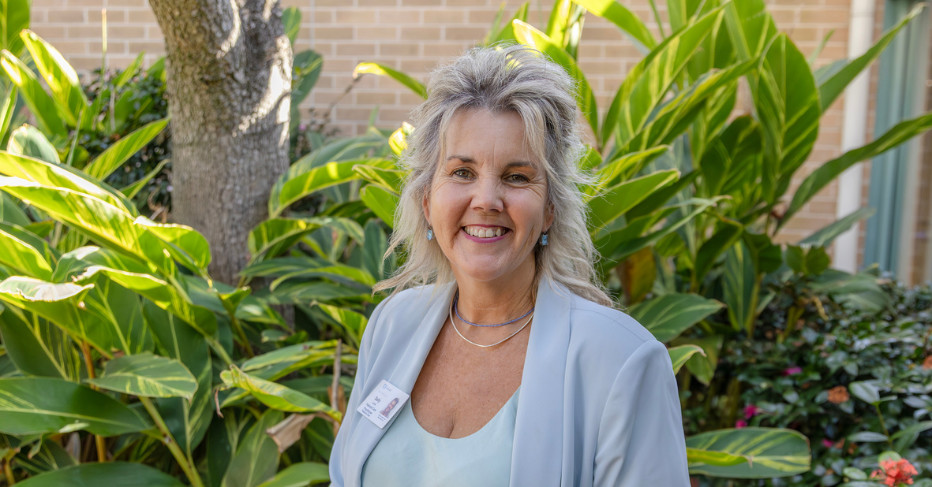
Sally has been a pastoral care practitioner for the past 11 years, commencing in Residential Aged Care at Calvary Cessnock, then to Calvary St Joseph's, before arriving to be a part of the Calvary Mater Newcastle Pastoral Care team.
Q. Why did you want to work in palliative care?
Life experience.
I had my own pastoral care encounter many years ago, when our daughter, was hospitalised for three weeks with an unknown illness. Running on empty and depleted, I was robed in compassion, when a five-minute pastoral care visit filled me with hope after a short prayer and blessing.
We returned home shortly after. A seed was planted and 10 years latter a calling emerged.
I felt drawn to palliative care because it is a deeply human experience where presence, compassion, and dignity matter so much, as I had encountered in my own personal losses. Walking alongside people at the end of life is sacred work. I felt called to support people emotionally, spiritually, and relationally during some of the most vulnerable moments of life, helping them feel seen, heard, valued, and not alone.
Q. What does your role in palliative care involve?
Providing emotional, spiritual, and pastoral support to patients, families, and carers. This can include compassionate listening, supportive conversations, prayer and rituals if desired. Helping people explore meaning and their search for hope, is my deeper work. It is a privilege to be able to sit with grief and uncertainty, simply being present allowing things to surface in their own time.
Phone calls and pastoral care home visits allows patients and families to safely acknowledge their inner stirrings and find their own internal answers with a palliative pathway.
As part of the Outreach Team in Community Palliative Care in the Hospice, I support staff in the hospice and work alongside a multidisciplinary team to provide amazing holistic care that honours the whole person - body, mind, and spirit.
Q. How does pastoral care in palliative care support families as well as patients?
The Pastoral Care Team supports families both in the hospital at Calvary Mater Newcastle and its Hospice by creating a safe space for them to express emotions, fears, anticipatory grief, and love. Families are often carrying exhaustion, sadness, uncertainty, and difficult decisions.
Sometimes they need someone to sit quietly with them, help them process what is happening, or remind them they do not have to carry everything alone. We help families find moments of connection, meaning, healing, comfort, and peace throughout the journey and into bereavement, where a beautiful team of volunteers continue bonds with follow up care.
Q. What do you find most meaningful about working in this space?
The search for meaning is heightened at end of life. Witnessing the depth of human connection, courage, love, and vulnerability that can emerge even in difficult times.
I recall an endearing gentleman, who had no one, fearful of dying, holding his hand, remembering with him, his most cherished memory of being loved. The smile of his mother when he was eight years old, calmed him, into a deep peace. He died peacefully 30 minutes later.
There is something profoundly moving about being trusted to sit with people in their suffering, hopes, stories, and reflections. Often it is the simple moments - holding a hand, listening deeply, companioning in the silence, laughter, or tears – are what stay with you most with their end-of-life journey.
Spiritual care means different things to different people, whether it’s religious support, personal faith or spirituality found in nature or relationships etc, all is welcome to be supported.
Q. What does compassionate hospital care look like to you?
Staff that care. Care that treats every person with dignity, gentleness, respect, and humanity. It is companioning and recognising that healing is not always about curing or using words, but about another receiving the value of person-centred care comfort, presence, and quality of life.
It’s been my experience that compassionate care sees the person beyond the illness and ensures patients and families feel safe, valued, included, and cared for in every interaction.
Palliative care is not only about dying - it is about living as fully and meaningfully as possible, right until the end of life. It is a privilege to walk alongside patients and families in the unknown time and to witness the extraordinary compassion shown every day by my peers, health care teams, carers, volunteers, and loved ones.
Our founder, Venerable Mary Potter’s mission was to pray and care for the sick and dying in need. To provide quality compassionate care to the most vulnerable. Companioning people to find inner peace in their personhood and the richness of the legacy of their lived life, is Holy Ground.