August 11 2026
Calvary continues to deliver strong and affordable retirement living choices
Calvary’s retirement living communities have recorded strong growth, with record settlements, increased occupancy and continued investment helping create more choice and connected care for older Australians.
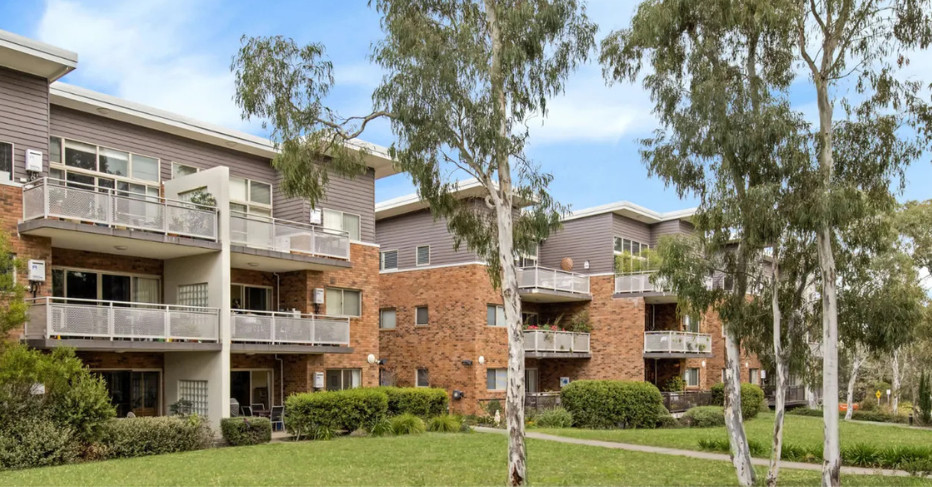
Calvary’s retirement living communities recorded strong growth over the past financial year, with occupancy increasing by 12.1 per cent and a record 124 settlements across the portfolio.
Occupancy increased from 520 to 583 units during the year, while the number of settlements surpassed the previous record achieved in FY25.
Calvary currently manages 17 retirement living villages across four states and two territories, comprising 620 independent living units nationally.
Investing in retirement living communities
Alongside increasing occupancy, Calvary continued to invest in its retirement living communities, completing 51 full refurbishments and a further 22 minor refurbishments during the financial year, compared with 47 full refurbishments the previous year.
Mark Eagleston, Head of Customer Service Performance, Retirement Living and Aged Care at Calvary, said average sales prices across the portfolio remained steady during the year, reflecting a broader mix of sales across Calvary’s communities.
“Steady pricing across a more diversified portfolio shows we are broadening access to retirement living, giving more older Australians the opportunity to find a home that suits them in a competitive market,” Mr Eagleston said.
“With more choice, there is hopefully better access and equity for those who would otherwise struggle to afford accommodation.”
Sales activity was spread across the portfolio, with Calvary Ryde in New South Wales recording 21 settlements, followed by Calvary The Homestead in South Australia with 15, Calvary Haydon with 13, Cosgrove Cottages in Tasmania with 11, and Balmoral Mews and Hyson Apartments in Victoria with 10 each.
A further eight villages recorded settlements during the year, demonstrating the breadth of demand across Calvary’s retirement living communities nationally.
Supporting residents as their needs change
For Calvary, retirement living is part of a broader approach to supporting older Australians through different stages of ageing.
Over the past two years, 24 per cent of Calvary’s retirement living portfolio has turned over, with the majority of these residents moving into an adjoining Calvary residential aged care home.
Mr Eagleston said co-locating retirement living and residential aged care can provide residents with greater continuity and reassurance if their needs change.
“Our goal is simple. We want to connect health and aged care services seamlessly, providing a continuum of exceptional care to residents and clients across all our communities, and we’re working very hard to make that happen,” Mr Eagleston said.
Calvary is also extending its Home Care services into retirement living villages, giving residents access to in-home support, personal care and clinical services while remaining in their own community.
“This service allows residents to age in place for longer, while continuing to benefit from the security and connection of village life,” Mr Eagleston said.
“There is a growing demand for more accessible healthcare and Calvary is committed to finding more solutions like this.”
Creating more choice for older Australians
As a mission-focused, not-for-profit provider, Calvary continues to explore ways to provide more accommodation options for older Australians, including expanding its seniors rental living offering.
“As a mission-focused, not-for-profit aged care provider, Calvary wants to ensure the traditional retirement living environment is operating at a peak level to allow us to reinvest in accommodation for seniors, including expanding our seniors rental living offerings,” Mr Eagleston said.
The continued growth of Calvary’s retirement living portfolio reflects its focus on creating connected communities where older Australians can live independently, remain socially connected and access additional care and support as their needs change.