April 1 2026
How to prevent Falls at Home: A Complete Guide for Older Australians and Their Families
A simple conversation and a few small changes can help prevent falls and support safe, independent living at home. It’s never too early to start.

Falls are the leading cause of injury-related hospitalisation in older Australians, accounting for around 43% of all injury admissions, according to the Australian Institute of Health and Welfare (AIHW).
For Australians aged 65 and over, around 1 in 4 people experience a fall each year, often leading to injury, reduced confidence, and loss of independence.
In April Falls Month 2026, the message is simple. “Let’s talk about falls – staying safe starts with a chat.”
Whether you’re looking to prevent falls at home or support a loved one, small actions can make a big difference.
Why falls matter
Falls are not just accidents; they are often preventable. They can result in:
- Loss of independence
- Social isolation
- Reduced mobility
- Short or long term loss of function
- Permanent disability
- Fractures and head injuries
- Hospitalisation
Even without injury, a fall can create a fear of falling, leading to reduced movement, weaker muscles, and increased future risk.
1 / 0
Understanding falls prevention: what actually works?
Falls are best prevented by addressing the specific risk factors that affect each person. National guidelines recommend three main approaches:
- Single interventions – targeting one specific issue (e.g. vision, medications, footwear)
- Multiple component interventions – a small set of strategies for everyone (e.g. exercise, education and home safety)
- Multifactorial interventions – a personalised plan based on an individual assessment
In practice, most people benefit from a combination of these approaches, depending on their level of risk.
For people at higher risk of falls, this often means a personalised plan based on a full assessment.
This may include:
- Exercise programs to improve strength and balance
- Home safety changes
- Medication reviews
- Vision and hearing checks
- Support for confidence, memory, or mental wellbeing
This is known as a multifactorial approach, where multiple risk factors are addressed together in a way that is tailored to the individual.
Common risk factors for falls (and what you can do)
What are the warning signs that an elderly person is at risk of falling?
Falls rarely happen without warning. There are often early signs that someone may be at increased risk:
- Unsteadiness while walking
- Holding onto furniture for support
- Bruising or unexplained injuries
- Reduced activity levels
- Changes in confidence or balance
Common risk factors include:
- Muscle weakness and poor balance
- Changes in vision or hearing
- Medication side effects (such as dizziness or drowsiness)
- Dizziness or fainting
- Foot problems or unsafe footwear
- Memory or thinking changes
- Rushing to the toilet, especially at night
- Hazards in the home environment
- Reduced bone strength (such as osteoporosis)
These risk factors are explained below, along with simple ways to reduce your risk.
Balance, strength and mobility
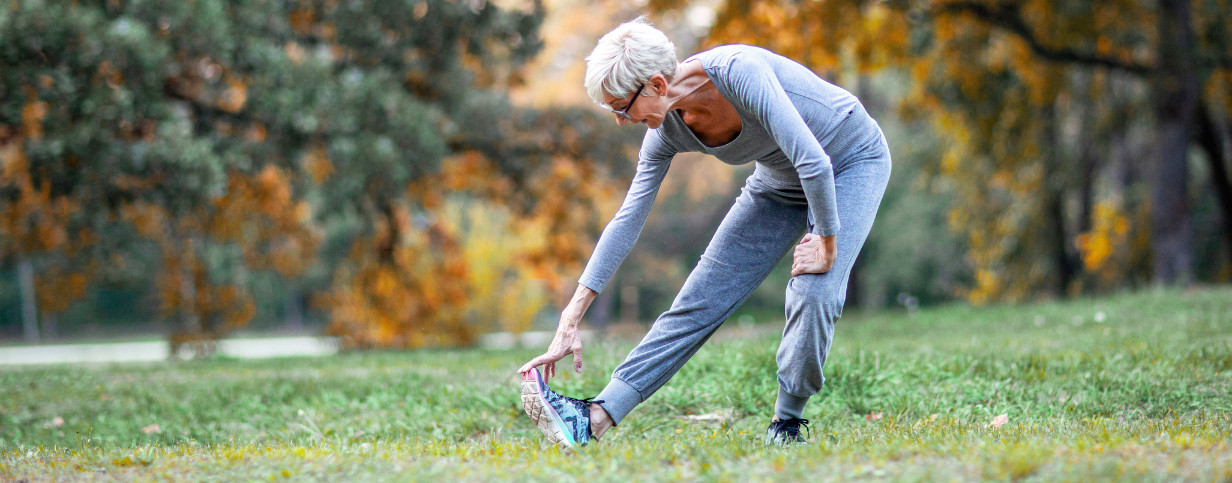
Loss of strength and balance is one of the most common reasons people fall. This can happen gradually due to ageing, illness, or reduced activity. Regular exercise is one of the most effective ways to reduce falls risk. National guidelines recommend 2-3 hours of exercise per week, focusing on strength and balance. Exercises should ideally be tailored by a health professional to ensure they are safe and effective.
What helps:
- Walking
- Strength training
- Tai Chi
- Structured balance programs
Consistency is key; regular movement helps maintain strength, coordination and confidence.
Thinking and memory (cognitive changes)
Changes in memory, thinking, or awareness (such as dementia or delirium) can affect judgement and make it harder to recognise hazards and move safely around the home.
What helps:
- Keeping routines consistent
- Ensuring familiar environments
- Providing supervision or support where needed
Medications
Some medications, or combinations of medications, can cause dizziness, drowsiness or changes in blood pressure.
What helps:
- Regular medication reviews with a GP or pharmacist, especially after a fall or when starting a new medicine
- Monitoring for side effects like dizziness
Vision and hearing
Changes in vision or hearing can make it harder to detect hazards or judge distances, increasing the risk of trips and falls.
What helps:
- Regular eye and hearing checks
- Wearing the correct glasses or hearing aids
- Updating prescriptions when needed
Feet and footwear
Foot pain, poor foot care, or unsafe footwear can affect balance and increase the risk of tripping.
What helps:
- Wearing supportive, well-fitting shoes with good grip
- Treating foot pain or problems
- Seeing a podiatrist if needed
Dizziness, fainting and blood pressure
Feeling dizzy, lightheaded, or faint can increase the risk of falls.
What helps:
- Checking blood pressure and symptoms with a health professional
- Reviewing medications
- Standing up slowly from sitting or lying
Continence and rushing to the toilet
Needing to rush to the toilet, especially at night or in low light, can increase the risk of falls.
What helps:
- Improving lighting between bed and bathroom
- Planning ahead
- Addressing continence concerns with a health professional
Home environment
Many falls happen in everyday environments, especially at home.
What helps:
- Improve lighting, especially at night
- Remove loose rugs and trip hazards
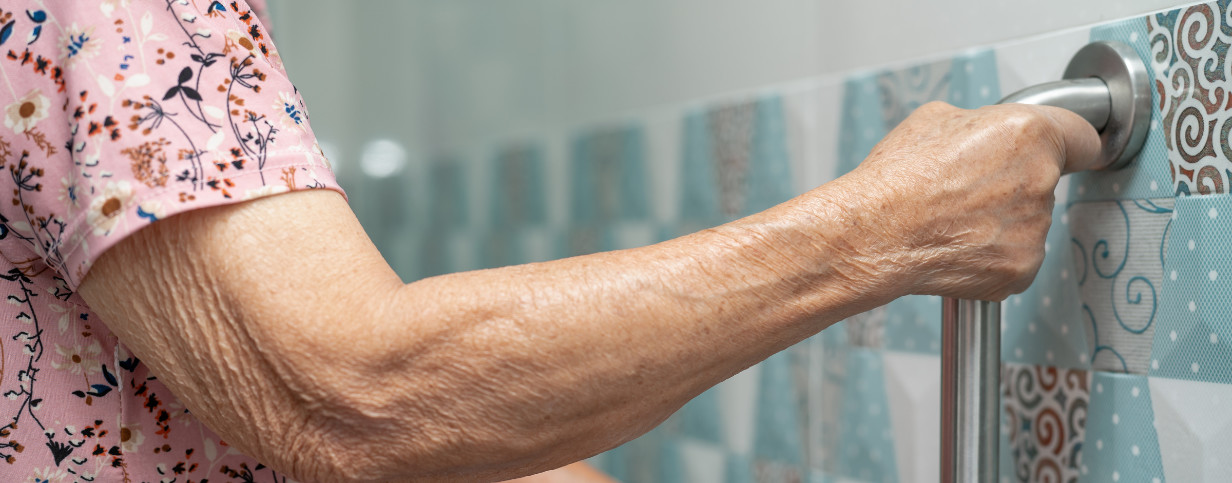
- Install grab rails on stairs and in high-slip areas like bathrooms
- Keep walkways clear
- Ensure furniture is stable
Bone health and vitamin D
Strong bones help reduce the risk of serious injury if a fall occurs.
What helps:
- Adequate vitamin D and calcium
- Managing osteoporosis
- Speaking to a GP about bone health
1 / 0
When to seek professional support
In addition to the strategies outlined above, support from health professionals can help further reduce falls risk, especially if risk is higher or ongoing and you notice changes in balance, confidence, or mobility. You should seek advice if:
- You or your loved one has had a fall or near miss or seem more unsteady than usual. Even a minor fall or “almost fall” can be a warning sign of underlying issues such as balance problems, muscle weakness, vision changes, or medication side effects. Early assessment can help identify the cause and reduce the risk of it happening again.
- Confidence or mobility is declining. If someone is becoming hesitant to walk, avoiding activities they once enjoyed, or needing more support to get around, it may indicate reduced strength, balance, or coordination. Addressing this early can help rebuild confidence and prevent further decline.
Support options include:
- GP assessments. A GP can check for medical conditions, review overall health, and refer to appropriate services.
- Physiotherapy and exercise programs. Targeted exercises can improve strength, balance, and flexibility, key factors in preventing falls.
- Occupational therapy home safety assessments. An occupational therapist can assess the home environment and recommend practical changes to reduce hazards.
- Medication reviews. Some medications can cause dizziness or drowsiness. Reviewing these can help minimise side effects that increase fall risk.
- Aged care or Support at Home services. These services can provide assistance with daily tasks, mobility, and home modifications to support safe, independent living.
Early support can make a meaningful difference in helping maintain independence, build confidence, and reduce the risk of more serious injury. If you’d like to understand what options are available, exploring aged care and Support at Home options.
Preventing falls in a loved one
Talking about falls can feel uncomfortable, but it’s one of the most important steps. Many older people worry that raising concerns about falls might lead to a loss of independence.
In reality, the goal is the opposite; to help them stay safe, confident and independent for longer. Starting the conversation early can make it easier to introduce small changes before a serious fall happens.
How do I talk to my parent about fall prevention?
- Start with concern, not criticism. Focus on their wellbeing rather than what they’re doing “wrong”.
- Use observations, not assumptions. For example: “I’ve noticed you seem a bit unsteady lately” or “I saw you holding onto the furniture.”
- Focus on staying independent longer. Emphasise that small changes now can help them keep doing the things they enjoy.
- Suggest small, practical changes. Start with simple steps like better lighting, safer footwear, or gentle exercise.
- Listen to their concerns. They may be worried about losing independence, using aids, or being judged. Acknowledging this helps build trust.
- Take it one step at a time. You don’t need to address every risk at once. Gradual changes are often more acceptable and sustainable.
Calvary’s commitment to falls prevention
At Calvary Health Care, falls prevention is a core part of delivering safe, high-quality care. From the moment patients enter our doors, they are screened for their risk of falling so that any concerns can be identified early.
Based on this assessment, personalised prevention plans are developed to support each individual’s needs. Care is then tailored with input from allied health professionals, ensuring a well-rounded approach to safety and mobility.
This support may include supervised mobility to help patients move safely, guidance on appropriate footwear to improve stability, and assistance with transfers such as getting in and out of bed or chairs.
Where needed, physiotherapy and occupational therapy are also incorporated to build strength, improve balance, and create safer daily routines. We continuously monitor outcomes to improve safety and reduce falls. You can find our clinical safety and quality indicators here.
Frequently asked questions
Falls are rarely caused by just one thing. They’re usually the result of a combination of health, lifestyle and environmental factors such as muscle weakness, reduced balance, medications that cause dizziness, vision or hearing changes, and hazards in the home. As we age, these factors can build up gradually, which is why falls risk can increase over time without always being obvious.
The most effective approach is a combination of small, consistent actions. Regular strength and balance exercises help keep muscles strong and improve stability. Making simple home safety changes, like improving lighting and removing trip hazards, reduces risk in everyday environments. It’s also important to have medications reviewed, and to keep vision and hearing checks up to date, as these all play a role in maintaining balance and awareness.
Try to stay calm and take a moment to assess the situation. Check for any signs of injury and avoid moving them if they are in pain or unable to get up safely. If there is any concern, such as pain, confusion, or difficulty moving, seek medical help immediately. Even if the fall seems minor, it’s a good idea to follow up with a GP to understand what may have caused it and how to prevent it happening again.
There are often subtle signs before a fall occurs. These can include unsteadiness when walking, holding onto furniture for support, becoming less active, or developing unexplained bruises. A noticeable loss of confidence, such as fear of walking or leaving the house, can also be a key indicator that someone may be at increased risk.
Exercises that focus on strength and balance are the most effective for reducing falls risk. Activities like Tai Chi, gentle strength training, balance exercises, and regular walking can all help improve coordination, stability, and confidence over time.
Simple movements done at home can also make a difference. For example, practising standing heel-to-toe to improve balance, lifting the knees to build strength for stairs, or rising slowly from a chair to support everyday mobility are all helpful ways to stay steady and independent. The key is choosing exercises that feel safe and manageable, and building them into a regular routine.
If you’re unsure where to start, or have any health concerns, it’s always a good idea to check in with your GP or healthcare provider before beginning a new exercise program.
Seek help for yourself or a loved one after a fall, near miss, or noticeable decline in balance, mobility, or confidence. Falls prevention starts with awareness and action.
If you’re concerned about your balance, or that of someone you care for, speak with your GP or healthcare provider. If you need extra support, Calvary can help you explore Support at Home, aged care and retirement living options. A conversation today could prevent a serious fall tomorrow.